
☑️ History of Isogam's emergence
One of the invariable characteristics of water is its permeability. Water easily penetrates most porous materials, including building materials. This feature has always existed, as the Sumerian state had to destroy and repair their buildings 3 thousand years ago due to the penetration of underground water into their buildings. This was the time when they understood the need for waterproof foundations and used natural materials such as resin and natural tar as waterproof materials. In the Middle Ages, this substance was used abundantly.
According to experts in the insulation industry, waterproofing appeared at the beginning of the 20th century, when people learned to produce a waterproofing agent called bitumen. Although bitumen had great waterproofing power, using it alone was not enough. It was here that the first rolling waterproofing was formed from bitumen and reinforcing materials (cloth, paper or jute).
☑️ What is isogam?
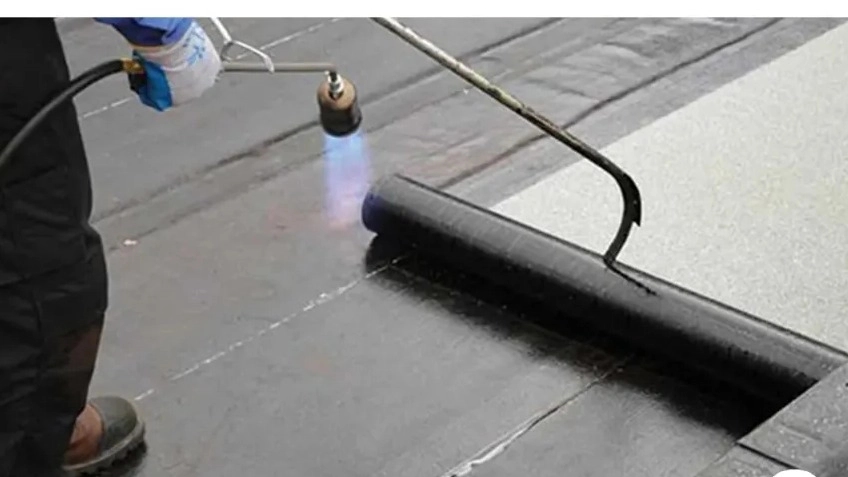
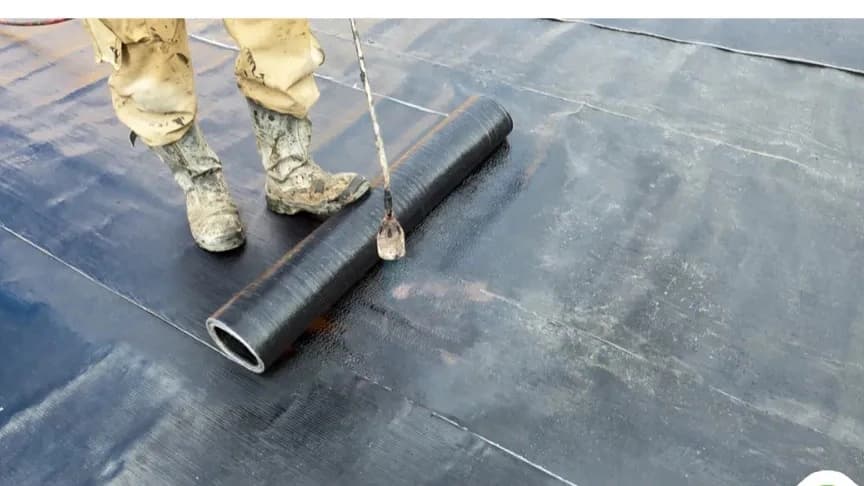
In response to the question of what is Izogam, we answer that these products are a type of resistant coating made of bitumen and various synthetic fibers, which by heat They are glued to the desired surfaces. These insulators prevent water and humidity from penetrating into their underlying environment and usually have a lifespan of about 10 years. Isogam is not only for the roof, and nowadays it is used in most buildings in the foundation and foundation stage, wall insulation and sanitary services.
What is the isogam ingredients?
Isogam consists of various layers, which is the reason for its high resistance against various factors. These layers include: polyethylene layer or mineral powder or aluminum foil, texture, polyester and additives, especially polyethylene layer. But here we want to know what are the ingredients of Isogam? These materials include:
60 to 70 percent industrial bitumen
A layer of aluminum foil with a thickness of 14 to 16 microns
A layer of thread tissue (glass wool)
A layer of needle polyester
Talc powder and copper powder 600
Polymer materials called tectic polypropylene
Polyethylene film
Bandage and glue
☑️ Types of Isogam
In this section, we want to discuss the types of isogam. In fact, isogams are produced based on various categories, which have various structures according to the type of surfaces, climatic conditions, thickness and durability. The types of isogam categories are:
☑️ isogam categorization based on ingredients
polymer isogam
This type of isogams consists of 60 to 70% pure bitumen, a layer of aluminum foil with a thickness of 14 to 16 microns, a layer of tissue, a layer They are composed of polyester, talc powder, cloth and plastic sack, which are famous for their high quality and durability.
Blood isogams
The ingredients of this type of isogam are: blown bitumen, a layer of aluminum foil with a thickness of 14 to 16 microns, a layer of tissue, a Polyester layer, plastic sack and talcum powder. These insulators are of lower quality than polymer isogams.
☑️ Category isogam based on coating
coated isogams
coated isogams, another answer to the question of what types of isogams are used to insulate surfaces such as roofs that are exposed to direct sunlight are used.
isogam without coating (plain)
This type of isogam is also used as insulation under work, such as toilets.
pebble isogams
These products are used for isogam work on surfaces that are designed for facade and beauty.